In-Person – NVFC Hands-On: Regional Training Series
Surviving the Job - Cancer in the Fire Service (2 hours): Cancer is a serious threat facing today’s fire service, but there are easy and low-cost ways you can lower
Free
Surviving the Job - Cancer in the Fire Service (2 hours): Cancer is a serious threat facing today’s fire service, but there are easy and low-cost ways you can lower
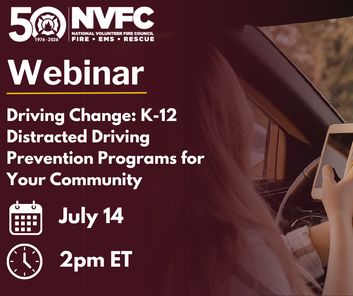
We train for emergencies every day, but preventing them starts before the sirens. Just as we go into schools to teach kids about fire safety, we can teach them about
As the number of electric vehicles on the roadways increases, it is important for first responders to understand how a response involving these types of vehicles is different than those
As the number of electric vehicles on the roadways increases, it is important for first responders to understand how a response involving these types of vehicles is different than those
The NVFC, in partnership with the U.S. Forest Service, offers an in-person training course to teach fire service volunteers how to properly conduct safety assessments for homes located in the
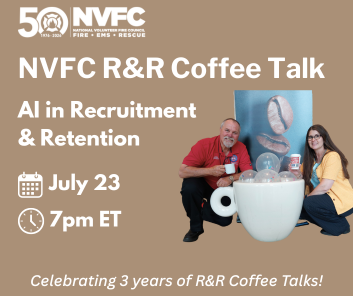
Join Dr. Candice McDonald and Chief Joel Cerny, along with guest Quentin Cash, for an interactive discussion on artificial intelligence in emergency service recruitment and retention. The session will run
Teaching hazmat to your responders doesn’t have to be a costly undertaking. In this course, attendees will learn how to identify the key components of a hazmat training budget, including
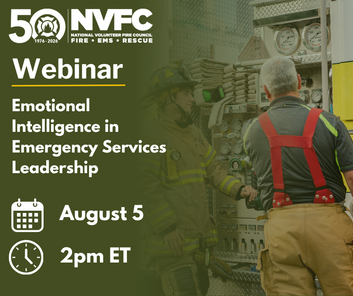
In today's fast-paced and high-pressure emergency services environment, emotional intelligence is an essential leadership skill. Effective leaders must be able to recognize and understand their own leadership styles, emotional responses, and decision-making tendencies in order to positively influence not only emergency scenes, but also the most valued resource – their personnel. This webinar explores the
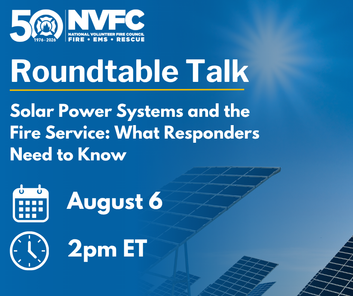
As solar power systems become more common in homes and businesses, volunteer firefighters need to be ready for the unique challenges they present. This roundtable takes a practical, myth-busting approach to solar fire response — covering the three primary types of solar systems, Tesla battery classifications, and available suppression tools and tactics including PV extinguishers,
This course focuses on the different types and scopes of scenarios that can be used in hazmat training. Attendees will learn the various student learning styles and how to use scenarios to bridge gaps in learning retention. The course will cover the concept of all hazards planning and how to engage key response stakeholders in



Copyright 2026 National Volunteer Fire Council