In-Person – Wildland Fire Assessment Program (WFAP)
The NVFC, in partnership with the U.S. Forest Service, offers an in-person training course to teach fire service volunteers how to properly conduct safety assessments for homes located in the
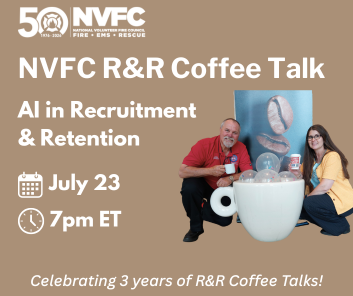
Join Dr. Candice McDonald and Chief Joel Cerny, along with guest Quentin Cash, for an interactive discussion on artificial intelligence in emergency service recruitment and retention. The session will run
Teaching hazmat to your responders doesn’t have to be a costly undertaking. In this course, attendees will learn how to identify the key components of a hazmat training budget, including
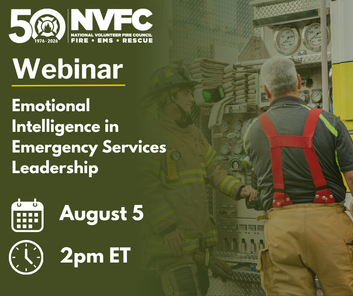
In today's fast-paced and high-pressure emergency services environment, emotional intelligence is an essential leadership skill. Effective leaders must be able to recognize and understand their own leadership styles, emotional responses,
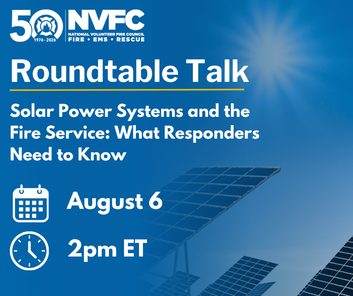
As solar power systems become more common in homes and businesses, volunteer firefighters need to be ready for the unique challenges they present. This roundtable takes a practical, myth-busting approach
This course focuses on the different types and scopes of scenarios that can be used in hazmat training. Attendees will learn the various student learning styles and how to use
Find NVFC staff at Booth #308 at the South Atlantic Fire Rescue Expo. Learn more.
As the number of electric vehicles on the roadways increases, it is important for first responders to understand how a response involving these types of vehicles is different than those
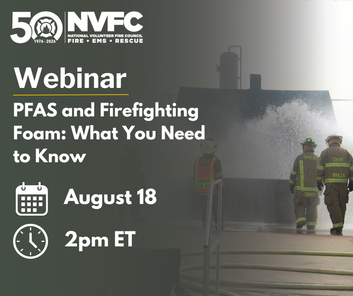
Per- and polyfluoroalkyl substances (PFAS) are found in many environments firefighters encounter – including past firefighting foam products. However, with health and environmental concerns related to PFAS, there is now